What Makes Modern Car Key Replacement More Complex Than It Used to Be
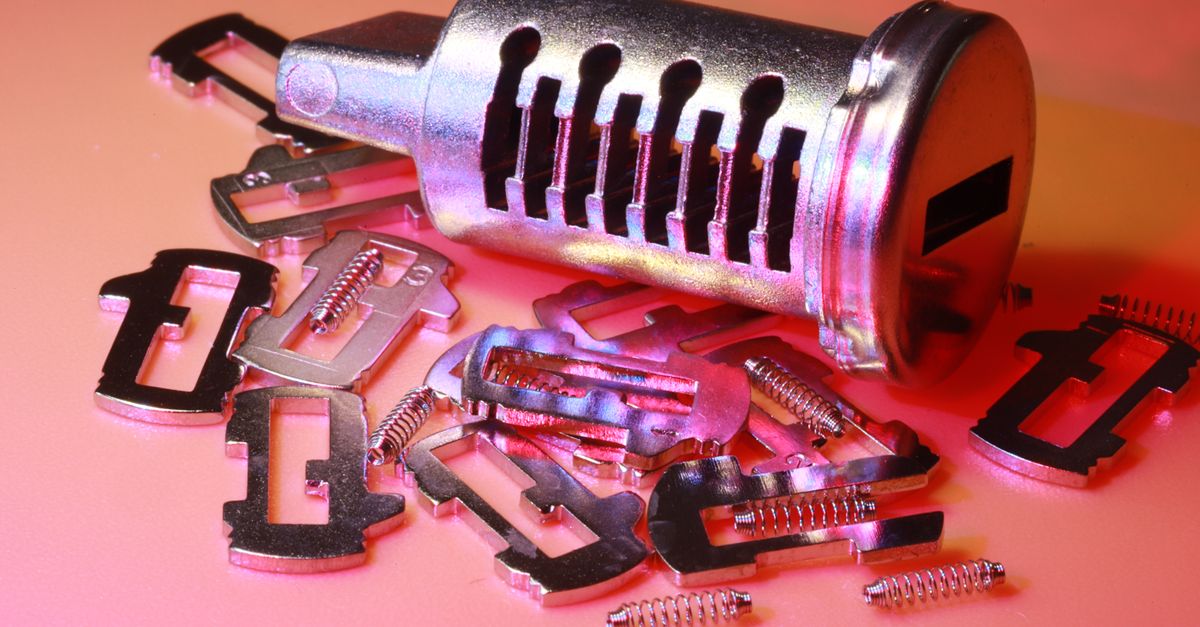
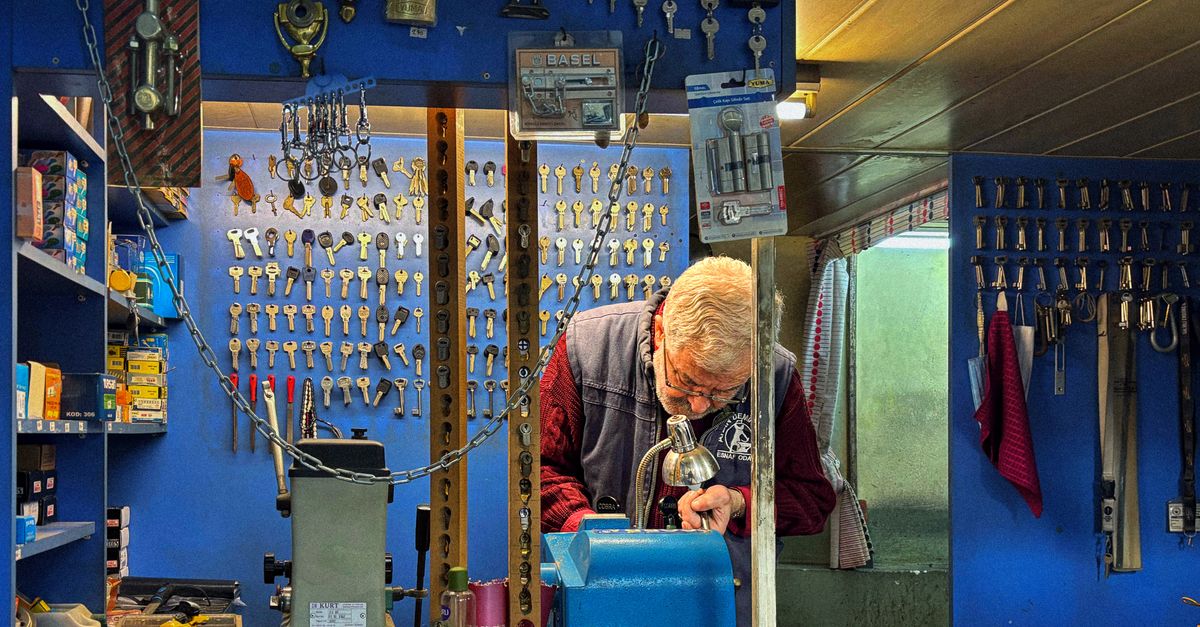
A generation ago, a hardware store could duplicate most car keys in under two minutes. Today, the majority of vehicles on the road require a key that does two things simultaneously: the cut blade must match the ignition cylinder with precision tolerances, and the embedded transponder or remote chip must be electronically paired to the vehicle's immobilizer system. If either element is off, the car will not start — even if the key turns smoothly. Our technicians use professional-grade key-cutting machines and OEM-compatible programming tools to handle both steps correctly the first time, whether you drive a domestic sedan or a European import.
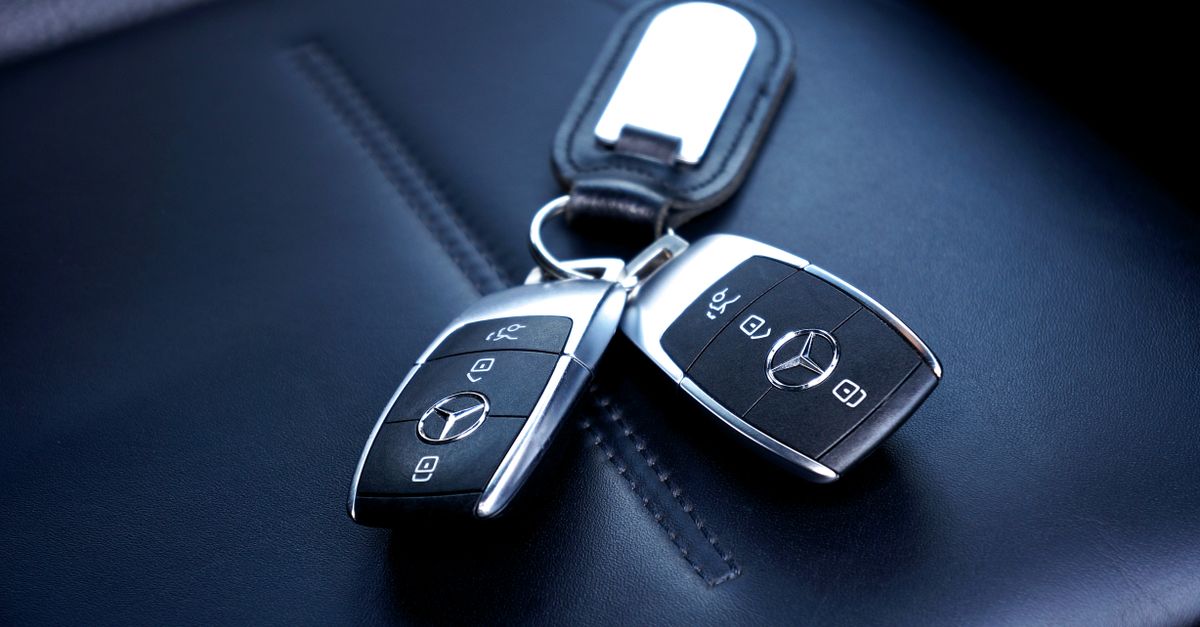
The specific process varies considerably by manufacturer. Honda and Toyota vehicles from the past decade typically use transponder keys or smart proximity fobs that must be programmed through a diagnostic port sequence. Ford and GM models often require a pin code pulled from the vehicle's VIN history before new keys can be written to the system. Chrysler, Dodge, and Jeep platforms have their own immobilizer protocols. German brands — BMW, Mercedes-Benz, Audi, Volkswagen — frequently use encrypted rolling-code fobs and high-security laser-cut (HU-series) blades that cannot be duplicated on standard key machines. Luxury brands such as Lexus and Infiniti add an additional layer with smart key systems that communicate passively with the car at close range. Our team stays current with the programming requirements for all of these platforms so you are not left guessing which shop can actually help you.