Why Deadbolt Installation Is Not a DIY Job for Most Homeowners
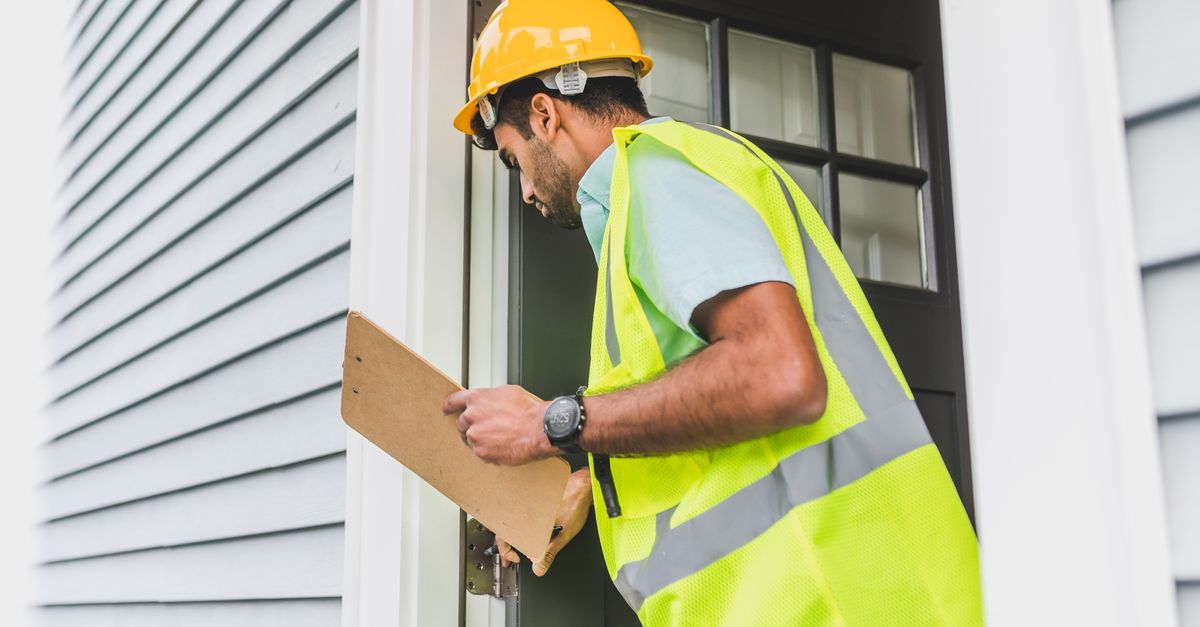
Installing a deadbolt looks straightforward until you meet a door that is even slightly out of square, a jamb that has been painted over six times, or a strike-plate pocket that is half an inch too shallow for the new lock's bolt throw. Small alignment errors translate directly into a lock that binds, fails to engage fully, or — worst of all — gives the false impression of security while a firm shoulder to the door would pop it open. Our technicians measure door thickness, backset distance, and frame condition before selecting the right hardware, and they use hole-saw jigs to keep the bore perfectly centered even on older Berkeley Heights colonials with solid-core wood doors that resist drilling. The result is a deadbolt that is genuinely hard to defeat, not just visually reassuring.
Beyond the mechanical fit, there is the question of strike-plate anchoring. A standard builder-grade strike plate held in with half-inch screws offers almost no kick resistance. We replace those with reinforced three-inch-screw strike plates that reach the structural stud behind the jamb — a detail that transforms the weakest point of most residential doors into the strongest. If your door frame has existing damage or rot, we flag it before starting so you understand every factor going into your final quote. We confirm an exact, up-front price before any work begins, so there are no surprises on your bill.